
When most people think of immune health, they immediately think of citrus fruits. However, the true benefits of vitamin c extend far beyond simple cold prevention, impacting everything from your skin’s elasticity to your cardiovascular resilience. Because the human body cannot produce or store this essential water-soluble nutrient, maintaining a consistent daily intake is vital for long-term wellness and disease prevention.
1. The Master Antioxidant: Neutralizing Oxidative Stress
At its core, one of the most critical benefits of vitamin c is its role as a potent antioxidant. Our bodies constantly face “oxidative stress” caused by free radicals—unstable molecules produced by normal metabolism and environmental factors like pollution, UV radiation, and tobacco smoke.
When free radicals accumulate, they cause cellular damage linked to chronic diseases, including cancer, heart disease, and neurodegenerative disorders. Vitamin C serves as a donor of electrons, neutralizing these free radicals without becoming unstable itself. This protective shield helps maintain the integrity of our DNA and proteins, effectively slowing down the biological clock of our cells.
2. Immune System Fortification
While the popular belief that Vitamin C “cures” the common cold is a slight oversimplification, its role in immune health is undeniable. Vitamin C supports the immune system through several mechanisms:
- White Blood Cell Production: It stimulates the production and function of lymphocytes and phagocytes, the “soldiers” of the immune system that attack foreign pathogens.
- Protection of Immune Cells: Because white blood cells are highly active, they produce their own oxidative stress. Vitamin C protects these vital cells from self-destruction during an immune response.
- Skin Barrier Function: It strengthens the epithelial barrier (our skin and internal linings), which acts as the first line of defense against microbes.
Research indicates that while Vitamin C may not prevent a cold in everyone, consistent intake can reduce the duration and severity of respiratory infections.
3. Collagen Synthesis: The Secret to Skin and Joint Health
One of the most vital benefits of vitamin c is the synthesis of collagen. Collagen is the most abundant protein in the human body, providing the structural framework for:
- Skin: Maintaining elasticity and preventing premature wrinkles.
- Connective Tissue: Supporting the strength of tendons and ligaments.
- Bones and Teeth: Contributing to the density and repair of skeletal structures.
Without adequate Vitamin C, the body cannot cross-link the amino acids required to build stable collagen fibers. This is why Vitamin C is a staple in skincare—it helps repair sun damage, fades hyperpigmentation, and promotes a youthful, “glowing” complexion from the inside out.
4. Enhancing Iron Absorption and Preventing Anemia
Anemia is a global health concern, often caused by iron deficiency. Iron comes in two forms: heme iron (from animal products) and non-heme iron (from plant sources like spinach, lentils, and beans).
Non-heme iron is notoriously difficult for the human body to absorb. However, consuming Vitamin C alongside plant-based iron sources creates a chemical environment that makes the iron much more bioavailable. For vegetarians and vegans, adding a squeeze of lemon to a spinach salad or eating strawberries with fortified cereal can increase iron absorption by over 60%.
5. Cardiovascular Health and Blood Pressure Management
Heart disease remains a leading cause of mortality worldwide. Vitamin C contributes to heart health by:
- Blood Pressure Regulation: Studies suggest that Vitamin C may help relax the blood vessels that carry blood from the heart, leading to a modest reduction in blood pressure.
- Endothelial Function: It improves the health of the endothelium (the inner lining of blood vessels), ensuring they can dilate and contract properly.
- Cholesterol Levels: Meta-analyses of clinical trials show that Vitamin C supplementation can significantly reduce LDL (bad) cholesterol and blood triglycerides.
- Source: American Journal of Clinical Nutrition – Vitamin C and Blood Pressure
6. Cognitive Protection and Brain Health
As we age, the brain is particularly susceptible to oxidative damage. High levels of Vitamin C are naturally found in the brain and spinal cord, suggesting a protective role. Low levels of Vitamin C have been linked to an increased risk of cognitive decline and disorders like dementia. By reducing inflammation in the central nervous system, Vitamin C may help preserve memory and focus as we age.
7. Eye Health: Guarding Against Cataracts
Oxidative stress is a primary driver of age-related eye issues. There is evidence that Vitamin C, particularly when taken with other nutrients like Vitamin E and Zinc, can slow the progression of Age-Related Macular Degeneration (AMD) and reduce the risk of developing cataracts by protecting the ocular lens from clouding.
How Much Do You Need? (Recommended Intake)
The Recommended Dietary Allowance (RDA) varies by age and lifestyle:
- Adult Men: 90 mg/day
- Adult Women: 75 mg/day
- Smokers: Require an additional 35 mg/day because nicotine and smoke deplete the body’s Vitamin C stores rapidly.
Best Food Sources to Reap the Benefits of Vitamin C
While supplements are convenient, obtaining Vitamin C from whole foods provides additional fiber and phytonutrients:
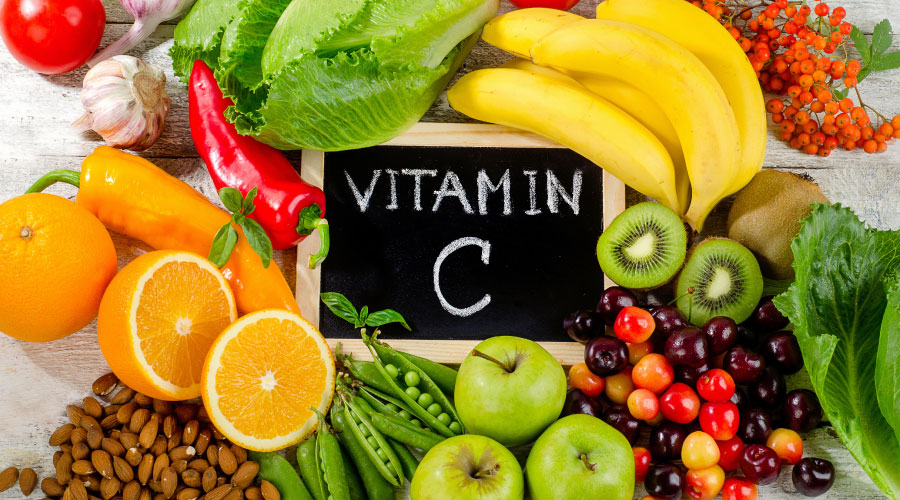
- Guava: 377 mg per cup
- Red Bell Peppers: 190 mg per cup
- Kiwi: 164 mg per cup
- Strawberries: 98 mg per cup
- Oranges: 95 mg per cup
- Broccoli: 81 mg per cup (raw)
Conclusion
Vitamin C is a nutritional powerhouse that touches nearly every system in the human body. From the microscopic level of DNA protection to the visible radiance of healthy skin, the benefits of vitamin c are vast and scientifically proven. By prioritizing a diet rich in colorful fruits and vegetables, you ensure that your body has the tools it needs to defend, repair, and thrive. read more about Benefits of Vitamin B12 .