
Understanding the many benefits of vitamin D is essential for anyone looking to optimize their long-term health and vitality. Often called the “sunshine vitamin,” this unique nutrient functions more like a regulatory hormone than a standard vitamin, influencing everything from your skeletal strength to your daily mood. While our bodies are designed to produce it naturally through sun exposure, modern indoor lifestyles have led to a global deficiency crisis. By prioritizing the benefits of vitamin D, you can unlock a more robust immune system, denser bones, and improved mental clarity.
In this comprehensive guide, we will explore why this nutrient is a non-negotiable pillar of human wellness, how it functions within your cells, and the most effective ways to ensure your levels remain optimal year-round.
Understanding Vitamin D: More Than Just a Vitamin
Vitamin D is a fat-soluble vitamin that exists in two primary forms: Vitamin D2 (ergocalciferol), found in plants and fortified foods, and Vitamin D3 (cholecalciferol), which is synthesized in human skin and found in animal products.
Once it enters your system—whether through the sun, food, or supplements—it undergoes two transformations:
- In the Liver: It is converted into calcidiol.
- In the Kidneys: It is turned into calcitriol, the active form of the hormone that interacts with almost every cell in your body.
The Most Impactful Benefits of Vitamin D
1. Strengthening the Skeletal System
- Calcium Absorption: You could eat all the calcium-rich kale and cheese in the world, but without Vitamin D, only about $10\%$ to $15\%$ of that calcium would be absorbed.
- Preventing Brittle Bones: In adults, Vitamin D prevents osteomalacia (soft bones) and osteoporosis (loss of bone density). For the elderly, this is the difference between a minor stumble and a life-altering hip fracture.
- Childhood Growth: Vitamin D is crucial for the mineralization of bone tissue in children, preventing rickets.
2. A Powerhouse for Immune Defense
If your immune system is a military force, Vitamin D is the commanding officer. It modulates the innate and adaptive immune responses.
- Fighting Infection: Research suggests that Vitamin D helps the body produce cathelicidins and defensins, which are natural “antibiotics” that fight off pathogens.
- Respiratory Health: Many studies have linked low Vitamin D levels to an increased risk of respiratory tract infections, including the flu and common cold.
- Autoimmune Regulation: There is growing evidence that Vitamin D helps “educate” the immune system, preventing it from overreacting and attacking the body’s own tissues, which is the root cause of conditions like Multiple Sclerosis (MS) and Rheumatoid Arthritis.
3. Enhancing Mental Health and Mood
Have you ever noticed how your mood lifts on a sunny day? That isn’t just psychological. One of the most significant benefits of Vitamin D is its impact on the brain.
- The Serotonin Connection: Vitamin D receptors are located in areas of the brain involved in depression. It is believed that Vitamin D helps regulate the conversion of the amino acid tryptophan into serotonin—the neurotransmitter responsible for feelings of happiness and well-being.+1
- SAD (Seasonal Affective Disorder): During winter months, when sunlight is scarce, many people experience a drop in mood. Supplementing with Vitamin D has been shown to alleviate symptoms of SAD and general anxiety.
4. Supporting Cardiovascular Health
While research is ongoing, many cardiologists point to the heart-protective benefits of Vitamin D. Low levels of the vitamin have been associated with an increased risk of high blood pressure, heart disease, and stroke. It is thought to help by reducing inflammation in the arteries and regulating the renin-angiotensin system, which controls blood pressure.+2
5. Muscle Strength and Physical Performance
If you’re an athlete or just want to stay mobile as you age, Vitamin D is vital. Receptors for Vitamin D are found directly in muscle fibers. Adequate levels are linked to:
- Increased muscle protein synthesis.
- Improved balance and reaction time.
- Reduced inflammation after high-intensity workouts.
How to Tell if You’re Deficient
Because the symptoms of Vitamin D deficiency are often subtle or “vague,” many people don’t realize they are low until they get a blood test. Common signs include:
- Constant Fatigue: Feeling tired even after a full night’s sleep.
- Bone and Back Pain: Chronic aches that don’t seem to have a specific cause.
- Slow Wound Healing: Cuts or bruises taking longer than usual to disappear.
- Hair Loss: Especially in women, Vitamin D deficiency is often linked to thinning hair.
Sources: How to Get Your Daily Dose
To maximize the benefits of Vitamin D, you need a multi-pronged approach.
Sunlight: The Gold Standard
The most efficient way to get Vitamin D is through the skin. When UVB rays hit your skin, they react with a form of cholesterol to create D3.
- The Rule of Thumb: 10 to 20 minutes of midday sun (face, arms, and legs exposed) 3 times a week is usually sufficient for fair-skinned individuals.
- The Variables: Those with darker skin, people living in northern latitudes, and those using heavy sunscreen will require more time to synthesize the same amount.
Dietary Sources
Very few foods are naturally rich in Vitamin D, but these are your best bets:
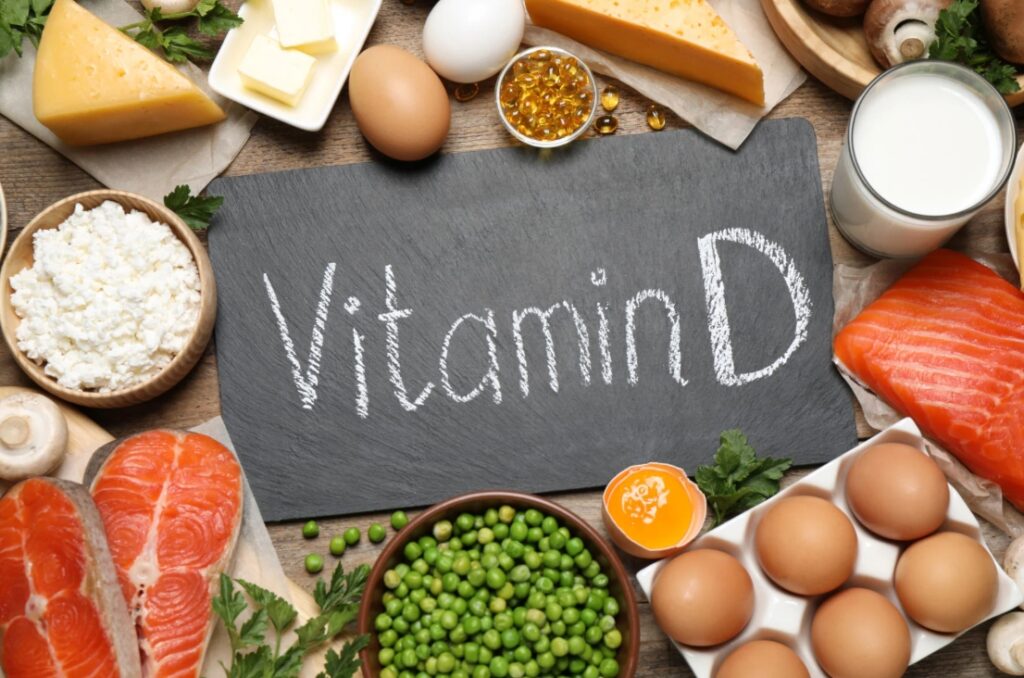
- Fatty Fish: Salmon, trout, mackerel, and halibut.
- Cod Liver Oil: One tablespoon contains over $1,300$ IU.
- Egg Yolks: Choose pasture-raised for higher levels.
- Fortified Foods: Many brands of milk, soy milk, and orange juice add Vitamin D to help public health levels.
Supplementation
For many, especially during the winter or for those working office jobs, a supplement is the most reliable way to maintain optimal levels.
| Category | Typical Daily Recommendation |
| Maintenance | 600 – 1,000 IU |
| Deficiency Correction | 2,000 – 5,000 IU (under doctor supervision) |
| Upper Limit | 10,000 IU (not recommended long-term without testing) |
The “Co-Factor” Secret: Magnesium and Vitamin K2
To truly unlock the benefits of Vitamin D, you shouldn’t take it in isolation.
- Magnesium: Vitamin D cannot be converted into its active form without magnesium. If you are deficient in magnesium, your Vitamin D supplements may just sit in storage.
- Vitamin K2: Think of Vitamin D as the “gatekeeper” that lets calcium into the blood, and Vitamin K2 as the “traffic controller” that tells the calcium to go to your bones instead of your arteries.
Final Thoughts
Optimizing your Vitamin D levels is perhaps the most cost-effective “biohack” available today. From shielding your immune system to keeping your bones strong and your mood bright, the benefits of Vitamin D touch every facet of human health.
If you haven’t had your levels checked recently, a simple 25-hydroxy vitamin D blood test is the best place to start. A little bit of sunshine—both literally and figuratively—goes a long way. read more about benefits of vitamin C .