

Benefits of cherries extend far beyond their reputation as “nature’s candy,” offering a nutritional profile that is surprisingly sophisticated for such a simple sweet treat. From elite athletes using them for rapid recovery to researchers studying their long-term effects on brain health, these vibrant stone fruits are a verified nutritional powerhouse that can transform your daily wellness routine.
Here are 12 remarkable benefits of adding cherries to your daily routine, along with a deep dive into their nutritional value.
12 Incredible Benefits of Cherries
1. Powerful Anti-Inflammatory Action
Cherries are rich in anthocyanins and catechins. These antioxidants inhibit the enzymes responsible for inflammation, offering a natural alternative to over-the-counter anti-inflammatories for managing chronic pain.+1
2. Natural Sleep Support
One of the rare food sources of melatonin, cherries help regulate your circadian rhythm. Research shows that tart cherry juice can significantly improve sleep quality and duration.+1
3. Rapid Athletic Recovery
Athletes use tart cherries to reduce muscle damage and soreness (DOMS). The antioxidants help repair muscle fibers and prevent strength loss after high-intensity training.+1
4. Gout and Arthritis Relief
Cherries are famous for lowering uric acid levels. Consistent consumption can reduce the risk of gout attacks by up to 35%, easing the joint pain associated with crystal buildup.+1
5. Heart Health & Blood Pressure
High in potassium, cherries help the body flush out excess sodium and relax blood vessel walls, which is crucial for maintaining healthy blood pressure levels.
6. Cognitive Protection
The flavonoids in cherries protect neurons from oxidative stress. Long-term intake is linked to improved memory and a slower rate of cognitive decline in older adults.+1
7. Blood Sugar Management
With a Low Glycemic Index (GI) of around 22, cherries release sugar slowly. This makes them a safe, nutrient-dense snack for individuals managing diabetes.+1
8. Improved Skin Radiance
9. Enhanced Immune Function
10. Digestive Wellness
11. Eye Health
12. Mood Regulation
Detailed Nutritional Profile (Per 100g)
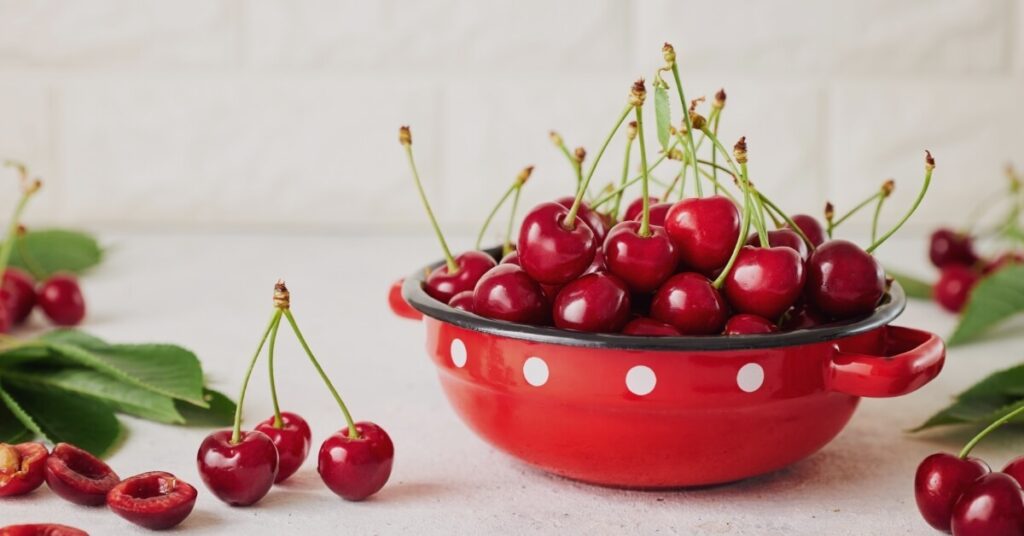
The nutritional value varies slightly between Sweet (Bing) and Tart (Montmorency) varieties.
| Nutrient | Sweet Cherries | Tart Cherries | Key Function |
| Energy | 63 kcal | 50 kcal | Fuel & Metabolism |
| Potassium | 222 mg | 173 mg | Heart & Nerve health |
| Vitamin C | 7.0 mg | 10.0 mg | Immunity & Collagen |
| Vitamin A (IU) | 64 IU | 1,280 IU | Vision & Skin health |
| Fiber | 2.1 g | 1.6 g | Digestion & Satiety |
| Melatonin | Moderate | Very High | Sleep Regulation |
| Anthocyanins | High | Extremely High | Anti-inflammatory |
Strategic Sourcing for Maximum Nutrition
- The “Tart” Advantage: For sleep and recovery, source Montmorency tart cherries. They contain up to 20 times more Vitamin A and significantly more melatonin than sweet varieties.
- Frozen is Functional: Since cherries are highly seasonal, frozen cherries are an excellent choice—they are typically picked and frozen at peak ripeness, preserving the delicate polyphenols.
- Juice Integrity: When sourcing juice, look for 100% Not-from-Concentrate (NFC) tart cherry juice. Avoid “cherry cocktails,” which often contain added sugars that can negate the anti-inflammatory benefits.
- Skin On: Always consume the skin of the fruit; this is where the highest concentration of fiber and color-producing antioxidants (anthocyanins) is located.