

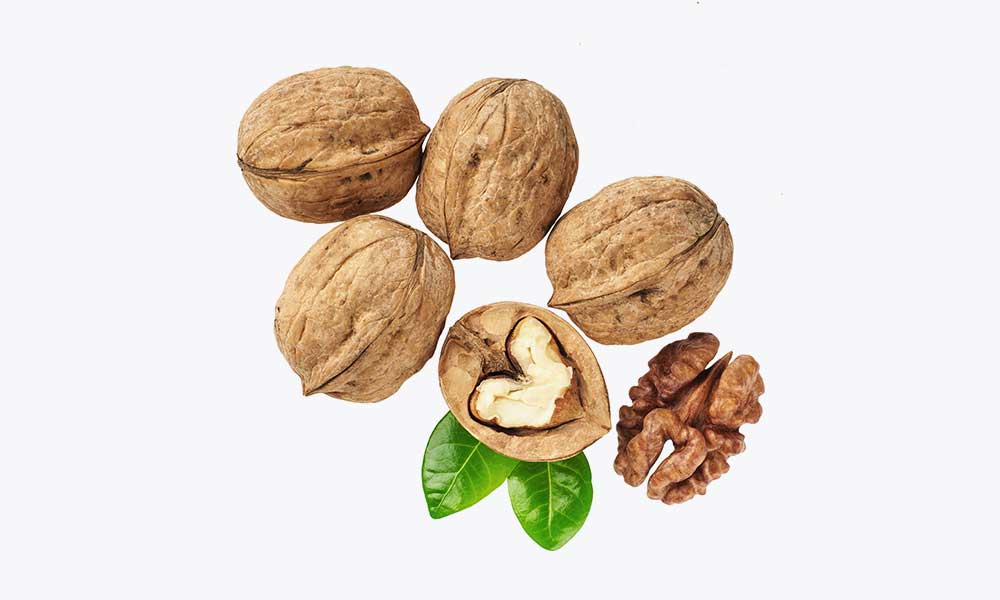
The benefits of walnuts make them stand out as one of the most nutrient-dense foods you can add to your diet. Distinctive for their brain-like appearance, walnuts provide a unique profile of omega-3 fatty acids and antioxidants that set them apart from other popular nuts like almonds and cashews. By understanding the benefits of walnuts, you can better appreciate how these small but mighty seeds support heart health, brain function, and overall longevity.
Getty Images
Nutritional Value: What Makes Walnuts Unique?
Walnuts are primarily composed of protein and essential fats. They are one of the few plant-based sources of Alpha-Linolenic Acid (ALA), an essential omega-3 fatty acid that the body cannot produce on its own.
Here is the nutritional profile for a 1-ounce (28g) serving (about 7 whole walnuts):
| Nutrient | Amount | % Daily Value (DV) |
| Calories | 185 kcal | – |
| Omega-3 (ALA) | 2.5g | 100%+ |
| Protein | 4.3g | 9% |
| Fiber | 1.9g | 7% |
| Copper | 0.4mg | 50% |
| Magnesium | 44mg | 11% |
| Vitamin B6 | 0.2mg | 10% |
Top Health Benefits of Walnuts
1. Superior Plant-Based Omega-3s
The standout valuable nutritional feature of walnuts is their high omega-3 content. ALA is crucial for heart health, as it helps reduce inflammation in the arteries and may lower the risk of cardiovascular disease.
2. Brain Health and Cognitive Function
It’s no coincidence that walnuts look like tiny brains. Research suggests that the phytochemicals and polyunsaturated fats in walnuts can reduce oxidative stress and inflammation in the brain, potentially slowing cognitive decline and improving memory.
3. Gut Microbiome Support
Eating walnuts may improve the health of your gut. Studies show that a diet rich in walnuts increases the amount of beneficial bacteria that produce butyrate—a fat that nourishes your gut lining and promotes overall digestive health.+1
4. Potent Antioxidant Protection
Walnuts have higher antioxidant activity than any other common nut. This activity comes from Vitamin E, melatonin, and plant compounds called polyphenols, which are particularly concentrated in the thin, papery skin of the walnut.
5. Weight and Metabolism Control
While walnuts are calorie-dense, they are highly satiating. They have been shown to help control appetite by activating a region in the brain that helps you resist highly tempting food cues, making them a “smart” snack for weight management.